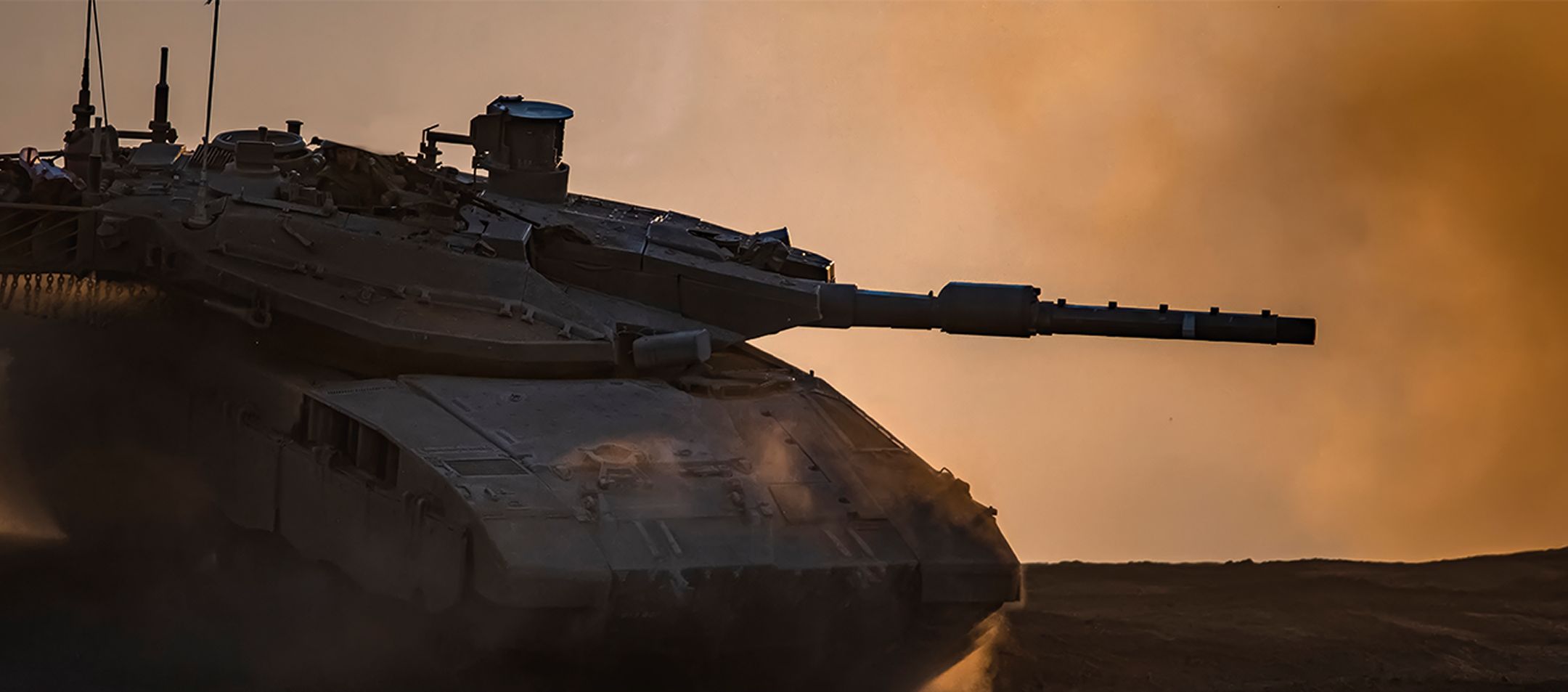
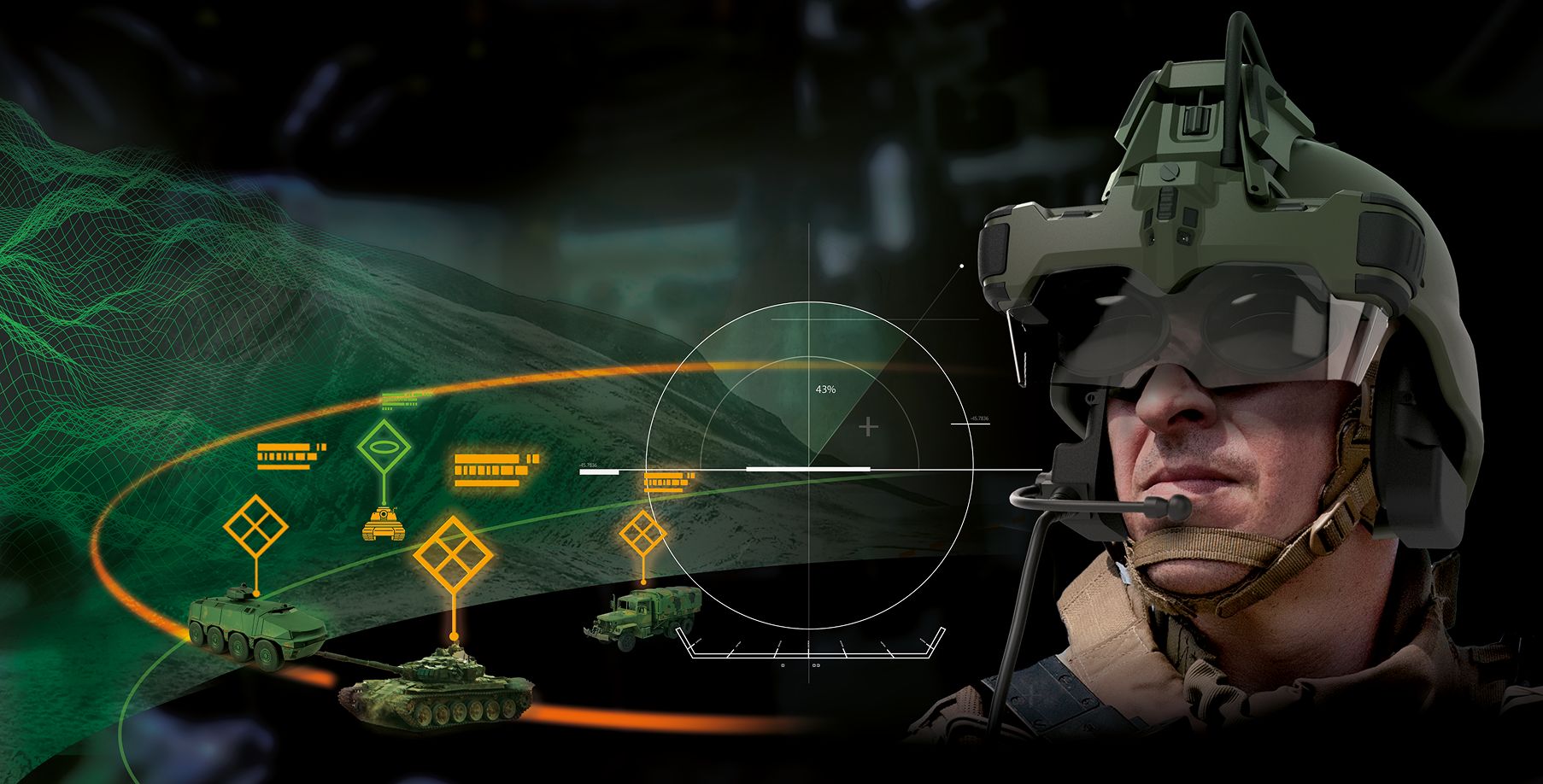
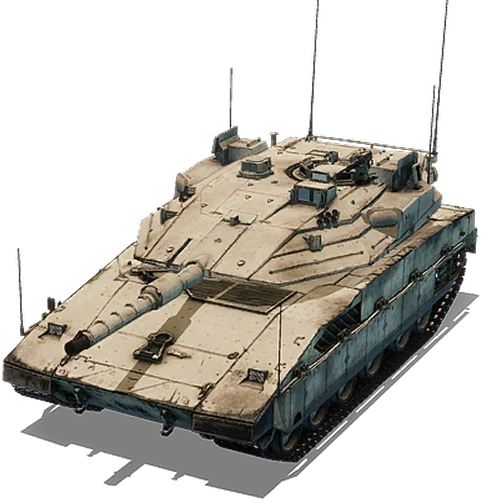
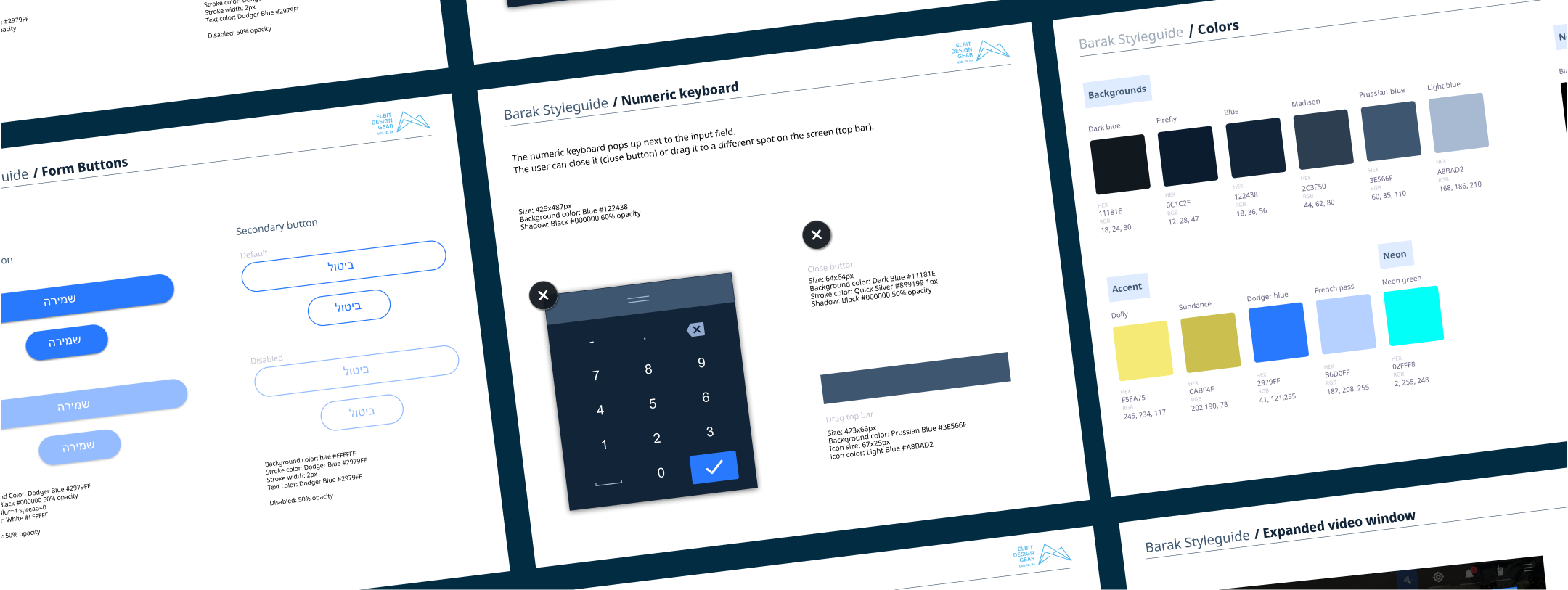
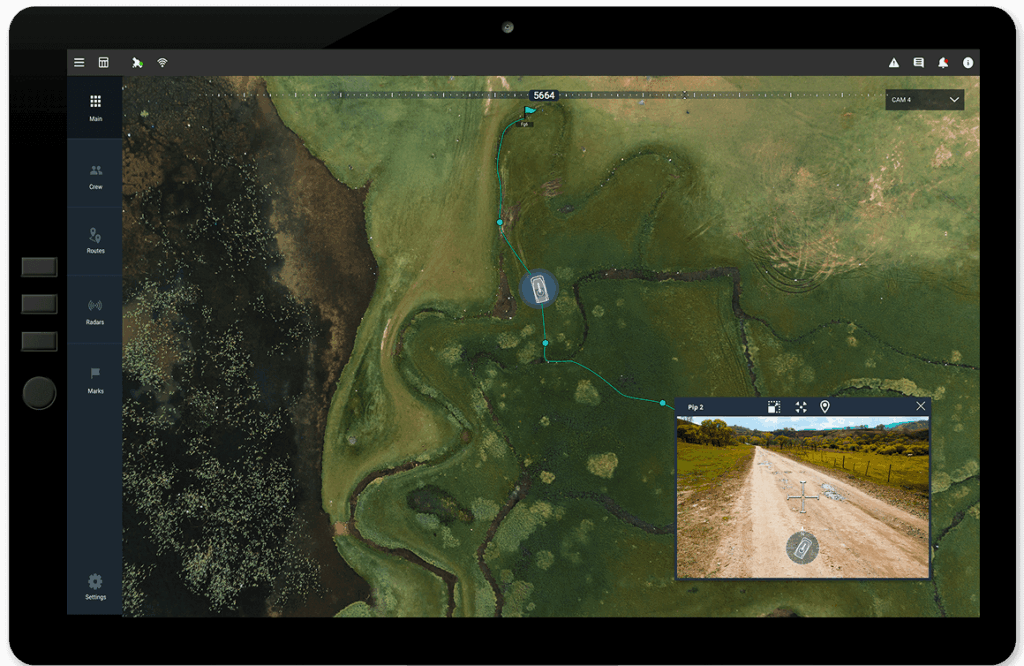
BARAK is a new combat management system for MERKAVA tanks, featuring a variety of components – a tactical computer, observation equipment, an AR helmet and an assortment of physical and digital operational gear.
A highly complex system, BARAK is designed to provide tank commanders with novel capabilities that transform – and enhance – their operational framework.
To achieve success in real-life conditions, complex systems must be defined and developed with the aid of an ongoing validation process that matches assumption against reality. Usability testing, which incorporates real future users, served as the ultimate tool for obtaining precise validation.
02
The challenges
The Process
Understanding User Habits
Gaining an in-depth comprehension of current user habits and operational modes
Examining Interface Alternatives
Exploring alternative interfaces during the system characterization stage
Outlining System Challenges
Delving into the learning and operational challenges that arise from defined system capabilities
Identifying Key Issues
Locating potential problems and remedying them during characterization
Component Testing
Examining system components and testing specific parts
Observing User Responses
Studying the responses of tank commanders to interface and workflow changes
System demonstration
A presentation to the client and decision-makers that outlines the appearance of the final system
03
System Testing
To perform testing and examine our designs during system development, we created a robust simulated reality experience:
Computer Station
An interactive mock-up of interfaces
Operation Equipment
Joysticks and controls connected to the system
Augmented Reality Eyewear
A simulated environment that replaces the commander's helmet
Participant Scope
In a crucial professional distinction, all testing participants were tank commanders
Main Improvements
01
Commander head remains inside the tank, minimizing risk of injury
02
Less cognitive load on tank commander
03
Enhanced in-action situational awareness
04
Better vehicle-to-vehicle communication and alignment
The Result
The final product is the outcome of a thorough design development process based on continuous validation, effective feedback analysis and quick decision-making in crucial junctures.
Creating a precise characterization of the system’s interface and components required a research process. The inclusion of personnel designated to operate the system in real-life conditions helped facilitate effective progress.
Testing of different subcomponents – compared to end-of-process complete product testing – enabled us to make adjustments during precise moments throughout the process, creating a better alignment in terms of project content scope, costs and delivery.
In collaboration with BR product design
The Impact
This project’s impact far exceeds the final product. Our streamlined workflow, which was beneficial for both budget and delivery, proved essential in creating a quicker transition to production stage.
Furthermore, our workflow created a new standard for our client, who now requires every system development process to include a research stage.